



Year 9
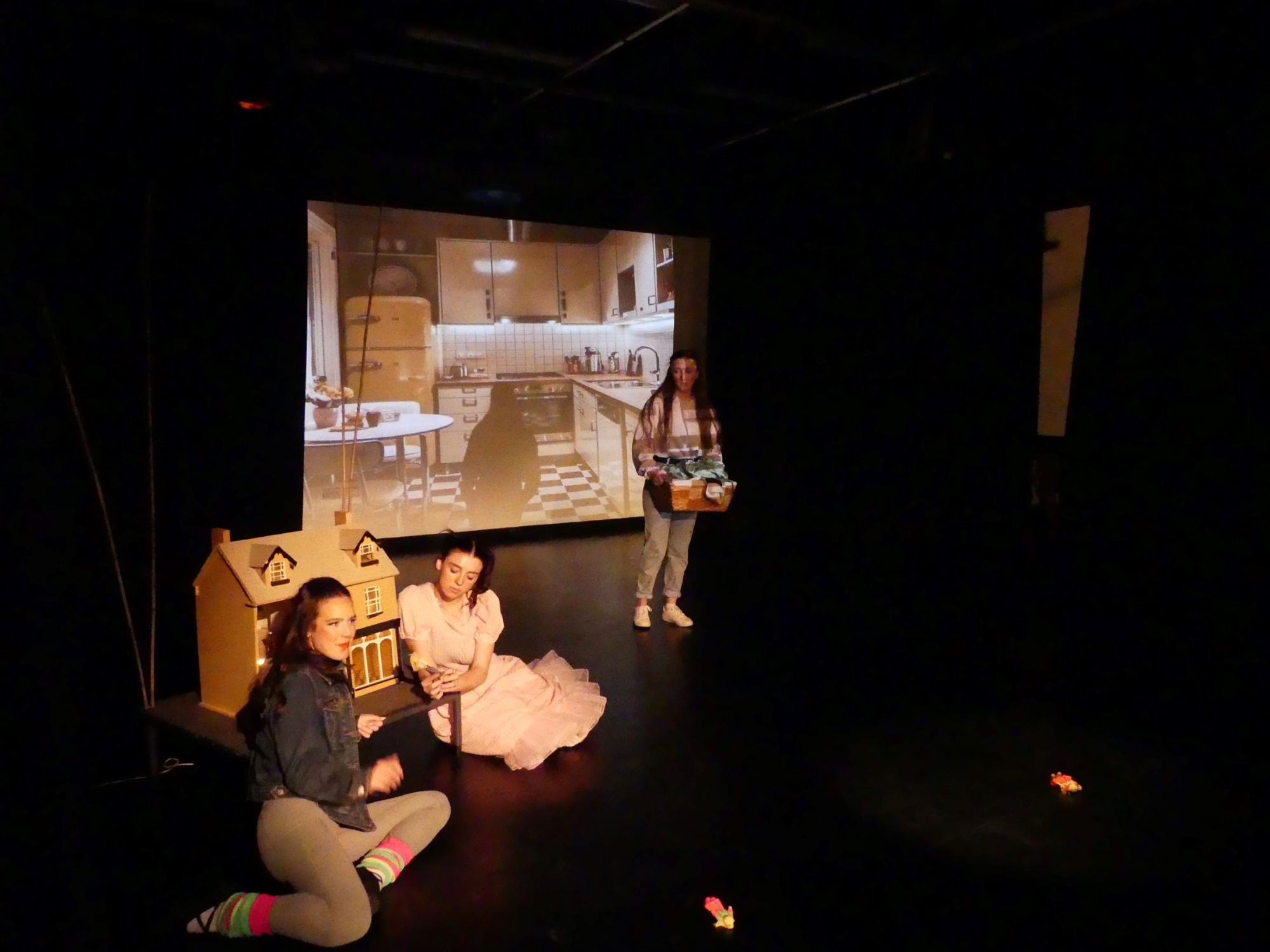
DramaPupils in Year 9 have 2 drama lessons every week. Year 9 pupils have chosen to study Drama so we expect them to be confident, creative and committed to the subject. At the end of the Year 9 pupils will be able to:
|
|
|
Content to be studied |
Method of assessment |
|
Autumn 1 |
Exploring Text and Characters Pupils initially develop their use of drama elements and skills from the drama medium in which to deepen their characterization skills and techniques.
Pupils practically explore extracts from a range of scripts of varying styles e.g. verbatim, realism, non-naturalism. Pupils apply rehearsal techniques in order to interpret scenes and characters from the plays studied.
|
Formative assessment task Pupils are assessed on their practical application of acting or design skills & their ability to interpret characters, roles & texts for performance. Pupils receive both verbal and written feedback from their teacher & peers. |
|
Autumn 2 |
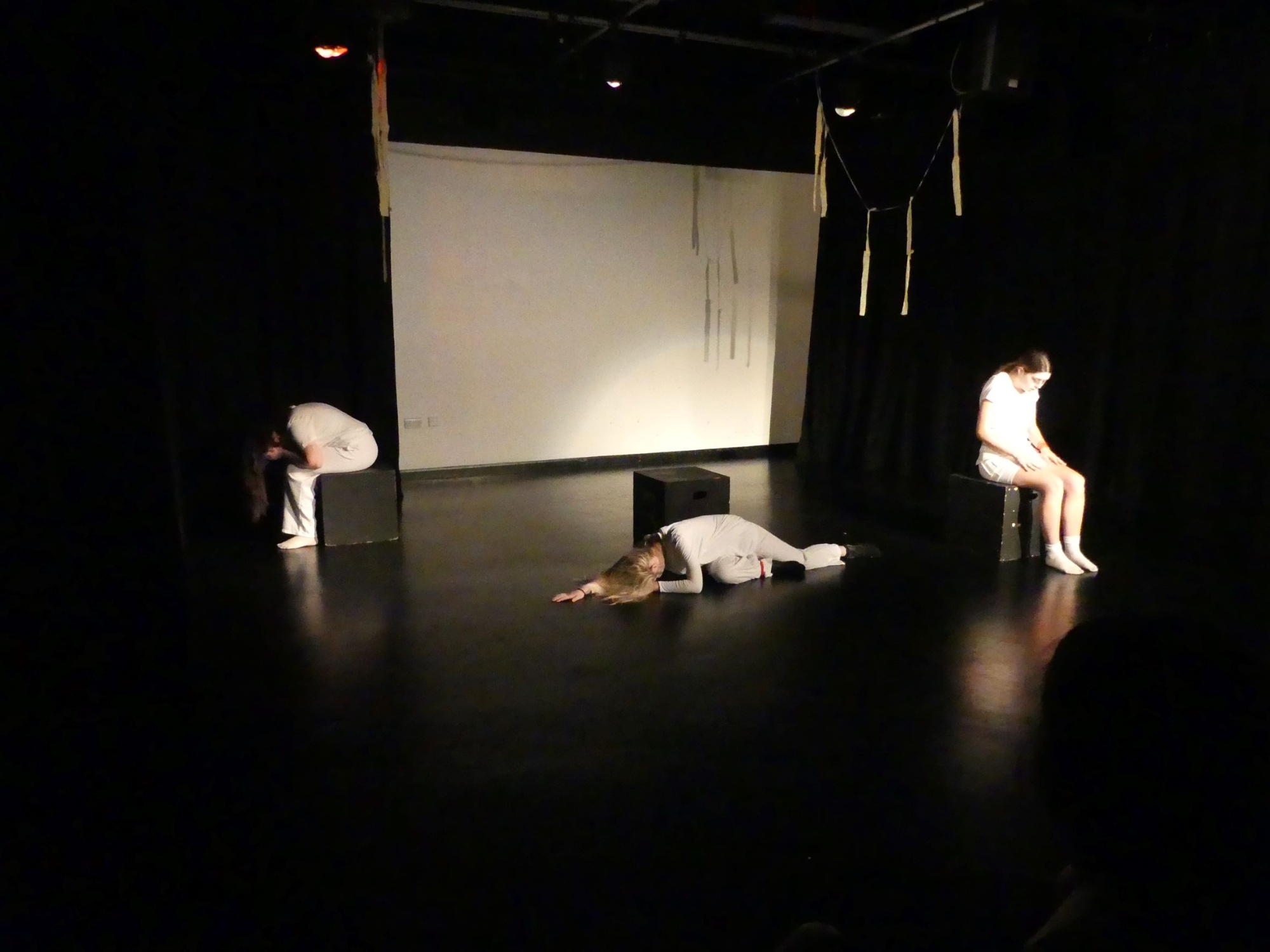
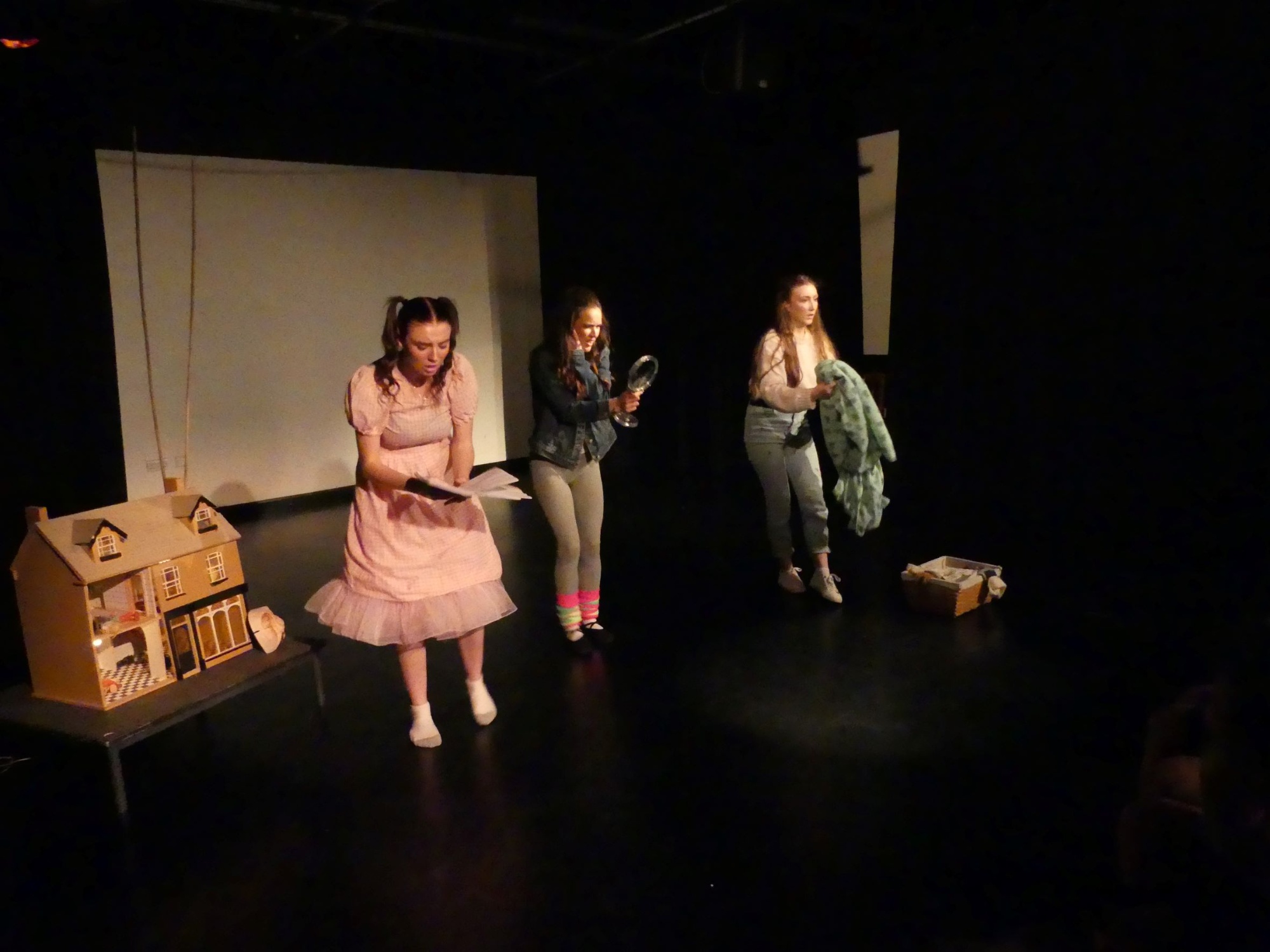
Scripted Performance Pupils work as part of a group to stage and interpret a full scene from a published play, for polished performance. Pupils explore, develop and apply a range of acting skills including:
Students’ performances are complimented with production elements including:
|
Pupils’ complete self & peer assessment, set targets for improvement and celebrate their achievement.
Pupils are assessed on their practical & performance/ design skills in formative and summative assessment tasks. Pupils receive an effort level (1-4) and attainment grade from their teacher which is noted in whole school tracking data as either, Developing, Secure or Excellent.
Pupils gain valuable peer/ audience feedback. |
|
Spring 1 |
Devising Theatre Pupils participate in improvisation/ devising workshops deepening their understanding of how to devise an original drama. Pupils explore a range of stimuli, styles and genres in order to build their devising skills. Pupils gradually improve their confidence and performance skills through creating and sustaining characters and scenes. Pupils explore and deepen their knowledge and approaches to spontaneous, rehearsed and polished improvisation tasks. Pupils explore stimulus material and ideas for devising Drama, and varying approaches to structuring plots in a both realistic and non-naturalistic styles. |
Pupils’ complete formative assessment tasks and receive teacher and peer feedback based on their skills’ progression in improvisation & imaginative ideas. Pupils set targets for improvement. |
|
Spring 2 |
Theatre in Education Pupils are introduced to the genre/ style of Theatre in Education through observing live theatre and exploring TIE Scripts (E.g., The Little Mermaid) which explore contemporary themes and issues E.g. Body Image and social media. Students expand their knowledge of the varying drama conventions, the didactic form & develop skills for this performance style. Pupils have the opportunity to explore, devise, and structure a TIE performance in order to create a piece of theatre which educates a target audience.
Pupils have the opportunity to view a TIE/ Verbatim Drama in-school (by a visiting theatre company) and begin to explore important aspects of theatre production and technical skills including lighting, costume and set design.
|
Pupils complete a summative assessment. They also complete self and peer assessment and write targets for improvement. Pupils receive a full report including their effort level and attainment grade. Pupil’s progress is noted in whole school tracking data as either Developing, Secure or Excellent based on their overall skills level and progression in year 9. |
|
Summer 1 & 2 |
Theatre Production Pupils observe both live and recorded theatre productions (of varying styles/ genres) in order to analyse and evaluate the impact of performance and production elements (via a Live theatre review).
Students deepen their knowledge of acting and acting styles, theatrical contexts, stage design and technical theatre and through further exploration of:
Pupils work practically in role (through a vocational approach) in order to develop their design and production skills whilst also deepening their knowledge of key drama terms and technical vocabulary.
Pupil’s will use their experiences to choose a production role (actor/ director/ designer) in which to be assessed through a final presentation/ portfolio or performance in the summer term.
|
Pupil’s complete formative assessment tasks. They complete regular self and peer assessment. They use teacher and peer feedback to set targets for improvement. Pupils are assessed on their final performance/ presentation (or via a portfolio).
They are also marked on their verbal and written use of subject specific vocabulary.
Pupils progress is evidenced via Whole School Tracking in the summer term. |
|
||||||
|
||||||
|
||||||
|
||||||