



Year 8
|
In Year 8, students will study Drama once a week. By the end of the year 8, student will:
|
|
|
Content to be studied |
Method of assessment |
|
Autumn 1 |
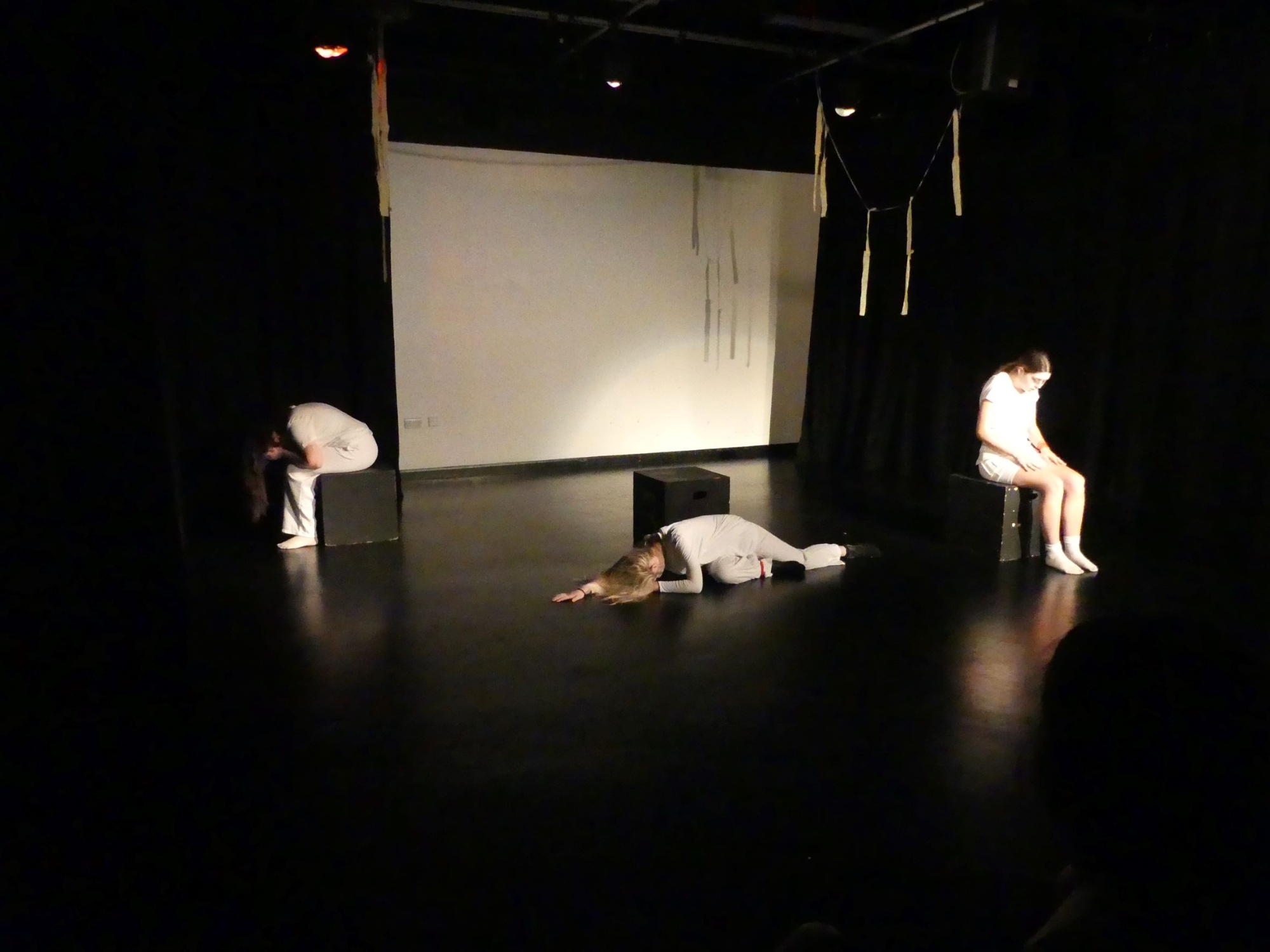
Mime and physical theatre Pupils explore and develop skills associated with mime performance.
Pupils develop their physical communication and performance skills through the use of mime and physical theatre techniques. |
Pupils are assessed on their practical application of skills, and their ability to interpret and sustain characters through mime performance.
Pupils participate in a formative assessment tasks. Pupils receive both verbal and written feedback from their peers and teacher based on their skills progression this half term. |
|
Autumn 2/ Spring 1 |
Pantomime Pupils develop their understanding of the pantomime genre through the exploration of popular pantomime plots, stock characters and sight gags.
Pupils interpret scripts and explore skills associated with pantomime performance, such as:
Pupils apply skills learnt in order to devise and script their own pantomimes for performance. |
Pupils regularly evaluate their skills development and progress through both written and practical tasks.
Pupils’ complete formative and summative assessment tasks. They conduct self and peer assessment. Based on their achievement, all pupils set targets for improvement.
Pupils receive an effort level and attainment grade from their teacher; which is noted in whole school tracking data as either Developing, Secure or Excellent based on their overall skills progression. |
|
Spring 2 |
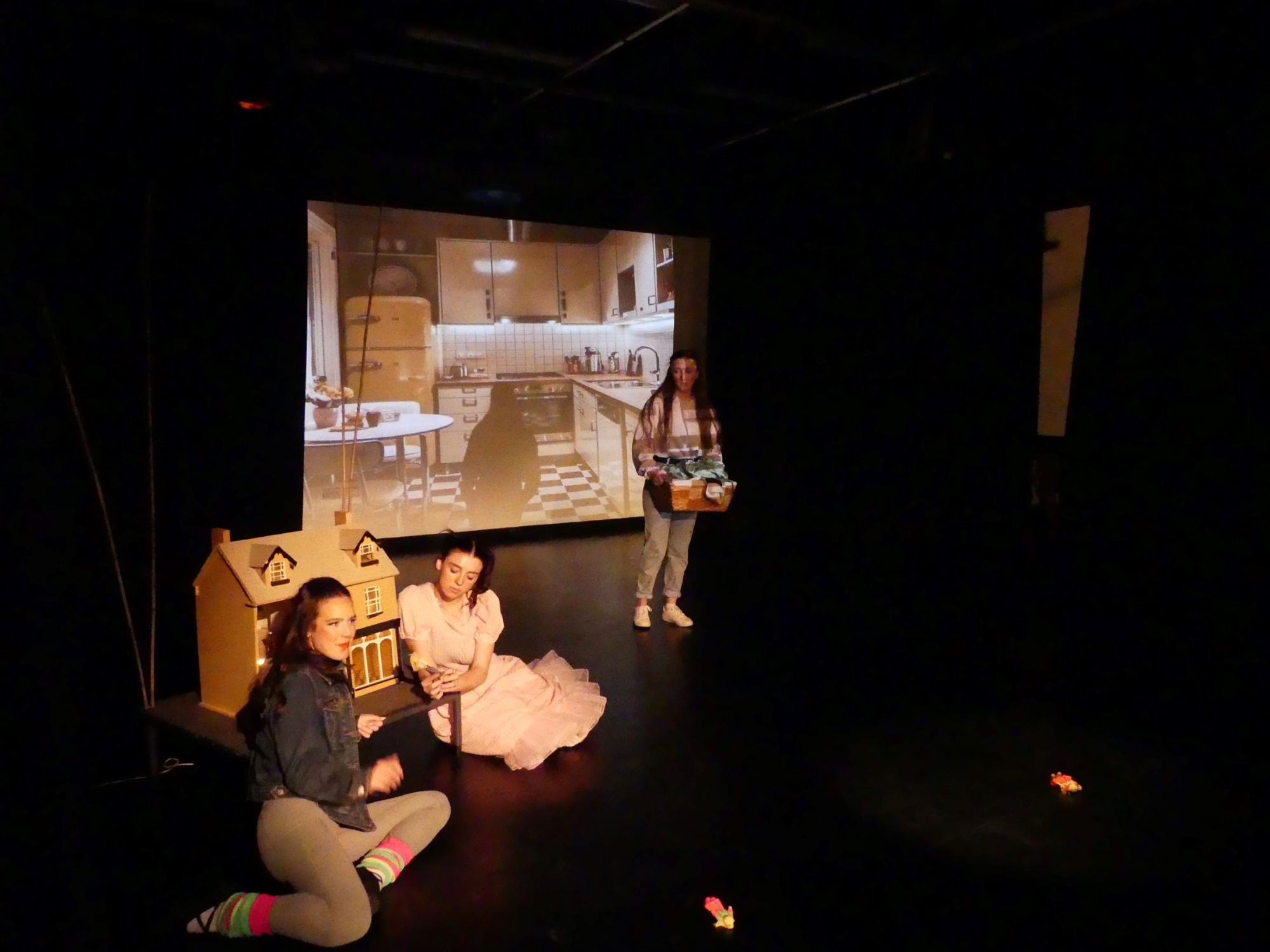
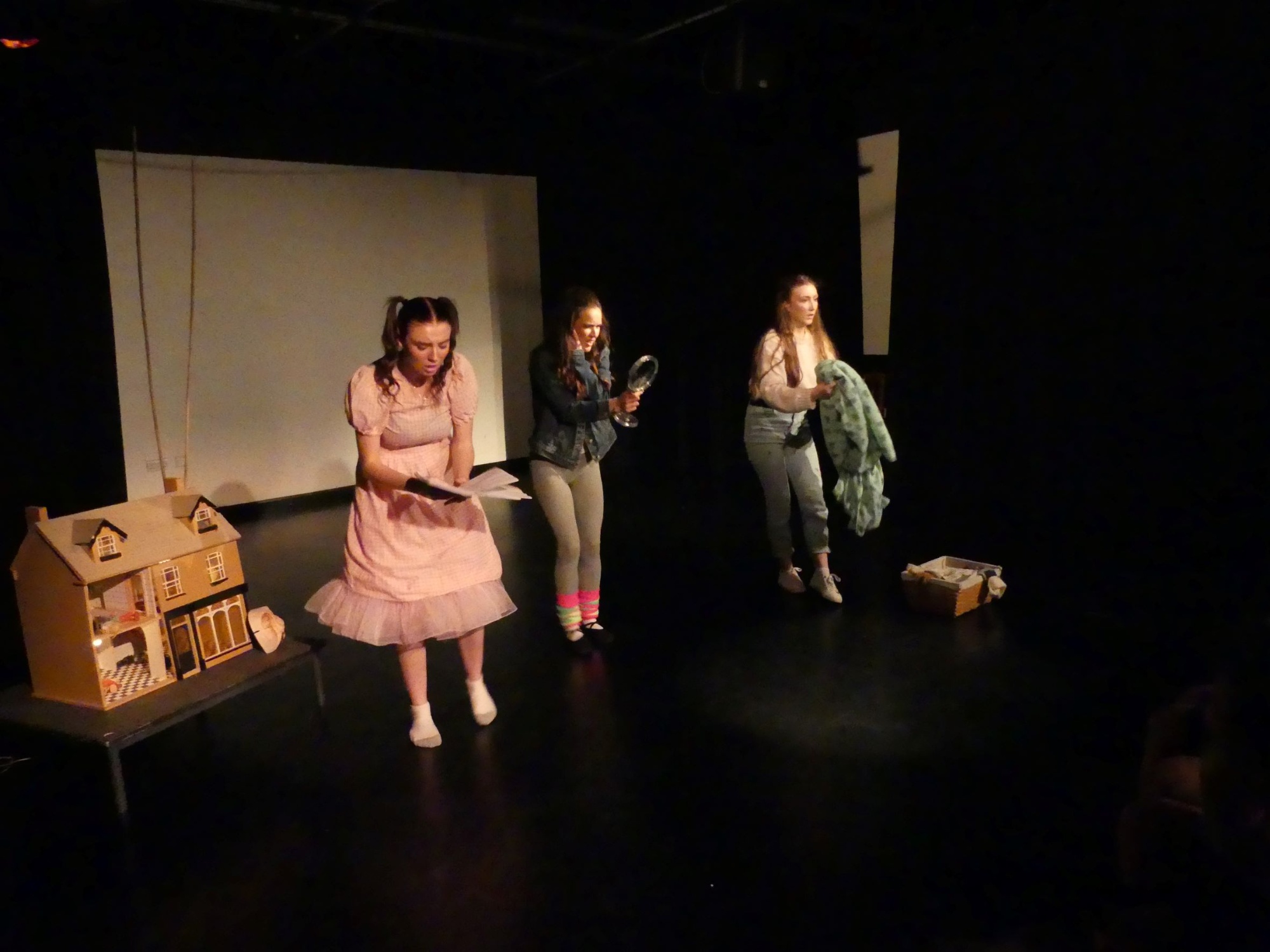
Alternative Tales Pupils explore popular culture, contemporary themes, moral issues and the FCJ values through the medium and exploration of popular fairy stories e.g. ‘Goldilocks’. Pupils use explorative strategies to explore and develop characterization. Pupils participate in tasks such as:
In order to explore contexts, understand social stereotypes, and become aware character motivations, actions and reactions. Pupils create and devise alternative scenes and endings for fairy tale characters based on their in-depth character exploration work.
|
Pupils are assessed on their practical application of skills and their ability to interpret characters/ roles and text for performance.
Pupils participate in a summative and formative assessment tasks. Pupils conduct self and peer assessment.
Pupils receive an effort level and attainment grade from their teacher; which is noted in whole school tracking data as either Developing, Secure or Excellent based on their overall skills progression. |
|
Summer 1 |
Exploring Text Pupils read and explore an appropriate full-length text, in-depth.
Pupils develop a deeper understanding of how to interpret text and characters from scripts, including form and context. Pupils know, understand and apply basic staging rules and techniques when working with text:
Pupils choose, rehearse and polish extracts for performance and assessment.
|
Pupils regularly evaluate their knowledge and skills development through both written (research/ homework) and practical tasks.
Pupils complete both formative and summative assessment tasks based on the texts/ genres explored.
Pupils participate in self and peer assessment. Pupils set challenging targets for improvement and skill progression.
Pupils receive an effort level and attainment grade from their teacher which is noted in whole school tracking data as either Developing, Secure or Excellent based on their overall skills progression.
|
|
Summer 2 |
Musical Theatre Pupils interpret scenes and characters from popular West End and Broad Way Musicals, such as ‘Grease’, ‘Annie’ and ‘Oliver’. Through the exploration of:
Pupils explore and apply appropriate devices in order to interpret, rehearse and perform extracts in a musical theatre style. |
Pupils regularly evaluate their skills development and progress through both written and practical tasks.
Pupils’ complete formative and summative assessment tasks. They conduct self and peer assessment. Based on their achievement, all pupils set targets for improvement.
Pupils receive an effort level and attainment grade from their teacher; which is noted in whole school tracking data as either Developing, Secure or Excellent based on their overall skills progression.
Year 8 pupils receive a written progress report from their teacher in the summer term.
|
|
|||||
|
|||||
|
|||||