






KS4
GCSE Drama
|
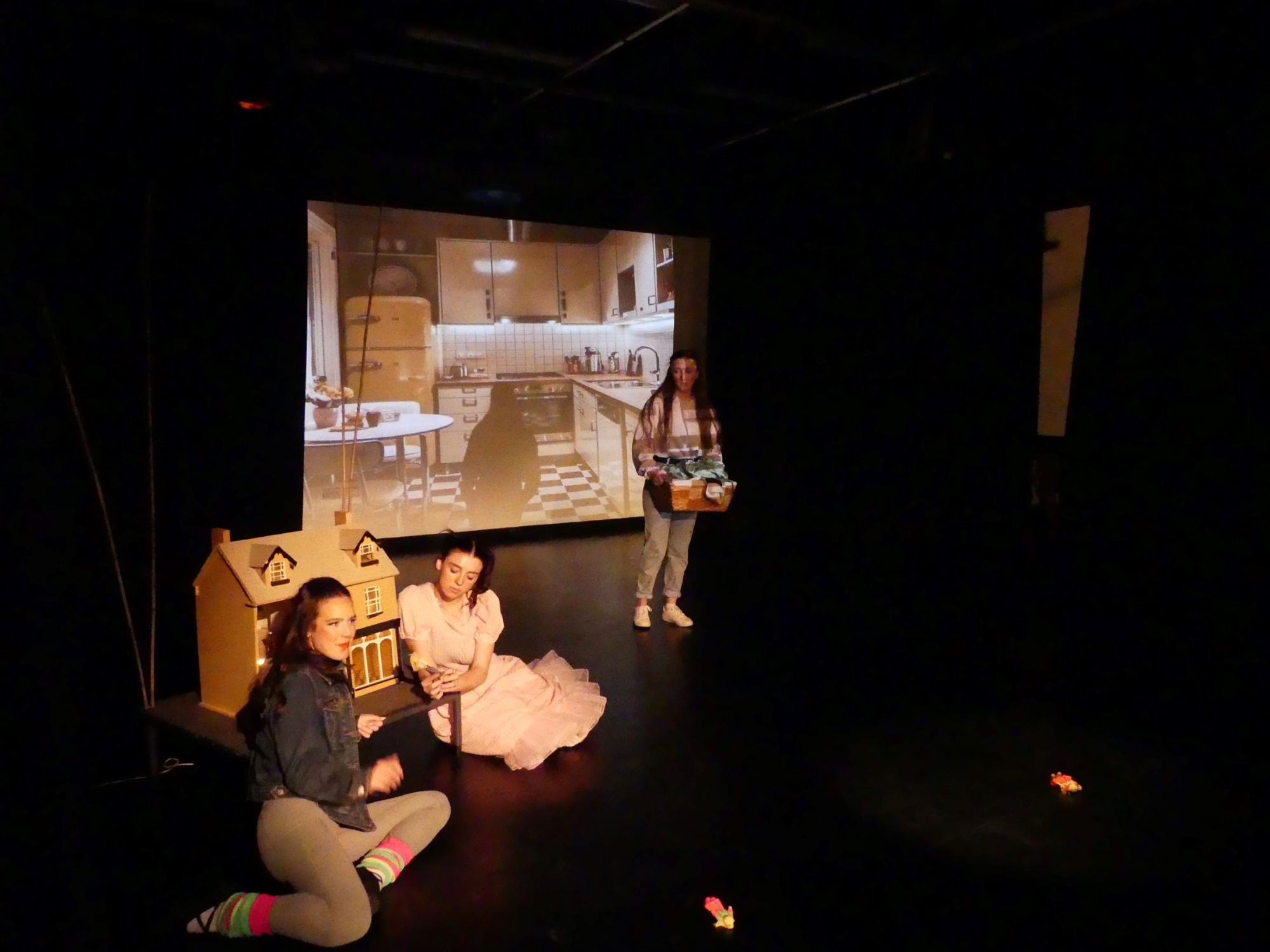
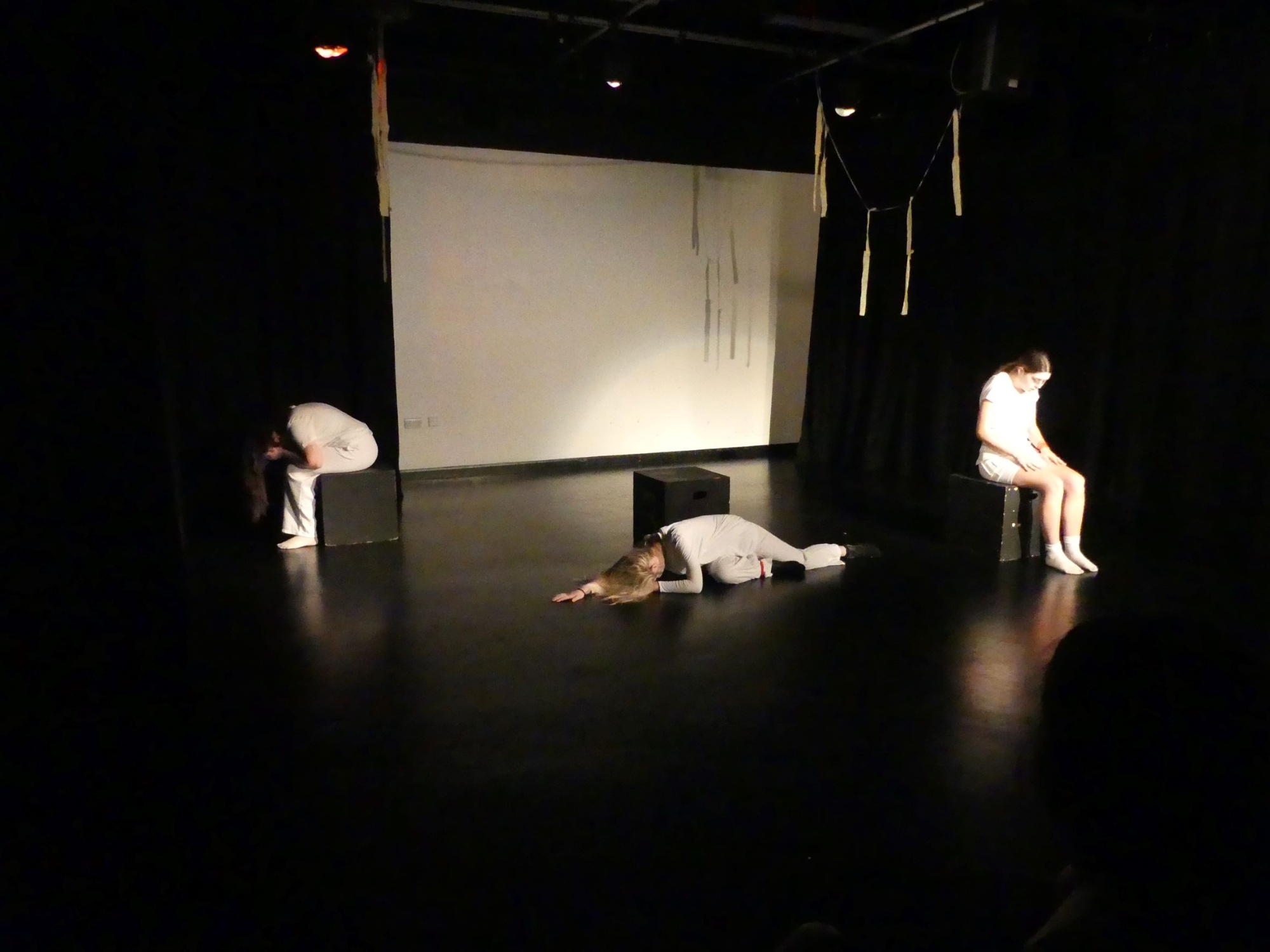
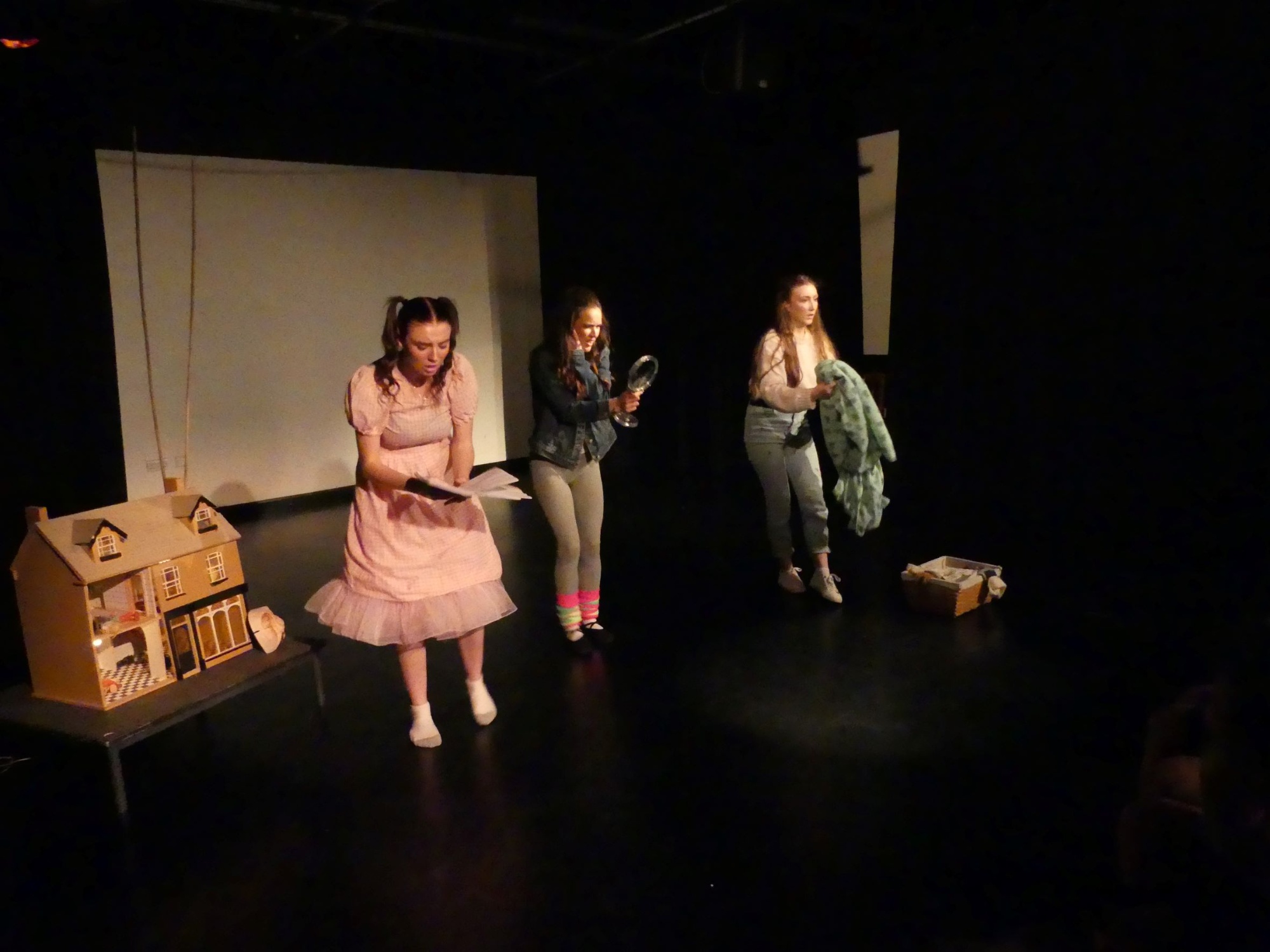
The GCSE Drama course is an exciting, fun, inspiring and practical course which promotes involvement in and enjoyment of Drama, as performers and/or designers. All students have opportunities to explore and develop their confidence, group and interpersonal skills whilst expanding their performance and design techniques through both small- and large-scale performances. Students will also develop their knowledge of staging a theatre production through exploring set and costume design, whilst developing their technical abilities through the application of lighting and sound.
Additionally, the course provides regular opportunities for all students to attend a wide range of live theatre performances in order to develop skills and knowledge of different styles/ genres, whilst becoming informed and thoughtful audience members.
|
|
How the course is assessed |
|||
|
|
Component 1 |
Component 2
|
Component 3
|
|
Content |
Devising Theatre |
Performing from a text |
Interpreting Theatre |
|
Exam |
Internally Assessed: Devised Performance (assessed as a performer or designer)
Supported by written Portfolio & Evaluation |
Externally Assessed: Scripted Performance (assessed as a performer or designer)
|
Externally Assessed Examination: Written Paper
Practical analysis of a set text, and a comprehensive evaluation of a Live Theatre Performance. |
|
Weighting |
40% |
20% |
40% |

|
Is this the right course for me? If you enjoy working with others, reading, watching, exploring and creating Drama and Theatre then this course is for you! The course explores a range of stimuli including text, themes, imagery and music for creating drama of varying styles (e.g. realism, non-naturalism and musical theatre) from the perspective of an Actor, Director and Designer. Students have the opportunity to work as part of team to share and explore fun and creative ideas for developing and interpreting characters, plots and scenarios for a variety of Drama and theatre performances. Students deepen their knowledge of historical drama, and a range of theatrical forms, style and genres. Whilst building a repertoire of skills in both in performance, technical theatre and design. “We all must do theatre, to find out who we are and to discover who we could become.” Augusto Boal |
|
The benefits of studying Drama:
|
|
What can I do after this course? The skills developed from studying drama, theatre and the performing arts can be extremely useful and highly regarded by employers in a wide range of occupational areas including:
Students who study GCSE Drama go on to follow a number of pathways either through further career aspirations. The foundations and skills learnt through drama supports and prepares all students for a range of career options, working environments and the wider world |
|
Year 10 |
Term 1 |
Term 2 |
Term 3 |
|
Component 1 (40%) |
Devising Approaches Exploration of Style and Genre in preparation for Devising. Exploration of skills and techniques associated with influential Theatre practitioners/ Companies
|
Component 1: Exploring Stimuli / Initial ideas Practical exploration of the component 1 devising stimuli (supplied by Eduqas) E.g. A picture, a song, a quote.
|
Component 1: Devised performance Examination and Evaluation.
|
|
Component 3 Written paper: (40%) |
Introduction to the Component 3 (Section A) set text:
Acting techniques and approaches:
|
Practical exploration of Design Approaches:
|
Practical exploration of Directing the text:
|
|
Year 11 |
|
|
|
|
Component 2 (20%) |
Exploring texts for Component 2: Scripted Performance: Exploration of suitable plays
|
Component 2 Performance Examination (Usually takes places between February-April - Visiting examiner from Eduqas)
Final submission of Component 1 portfolios to exam board (in March). |
|

