

Skip to content ↓

Year 9

Biology

Biology is a subject that is full of excitement, wonder and beauty. Students learn about the variety found in living organisms as well as the structures and functions of living creatures and the interaction of humans with their environment.

During Year 9, your daughter will start the AQA GCSE Biology course.  This is a 3-year linear course, with students examined at the very end of the course. In Year 9 the content starts with fundamental aspects of biology such as cells and the different methods of transport into and out of cells and builds to topics in which these core principles are applied such as the digestive and circulatory systems in animals and transpiration and photosynthesis in plants.

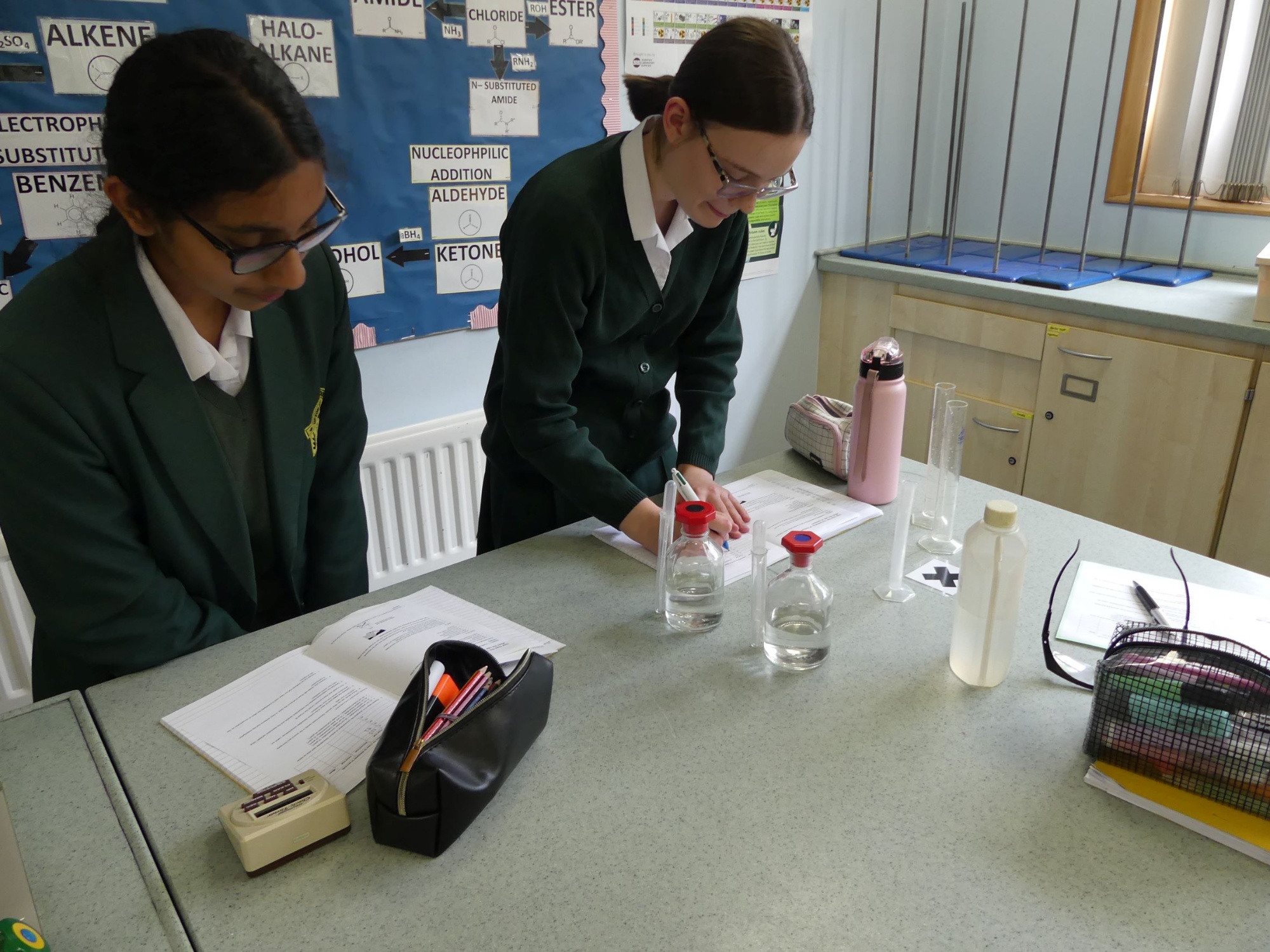
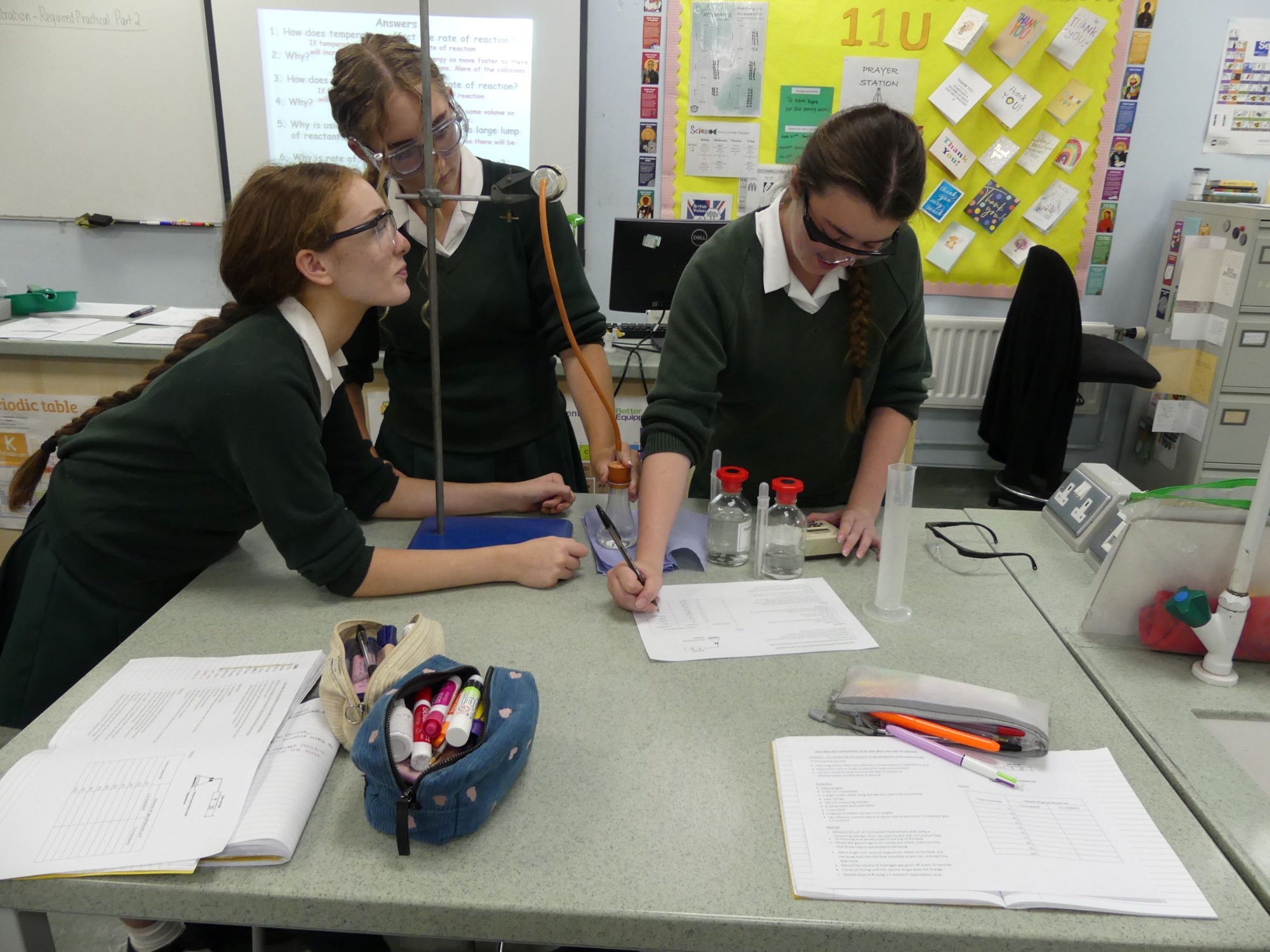
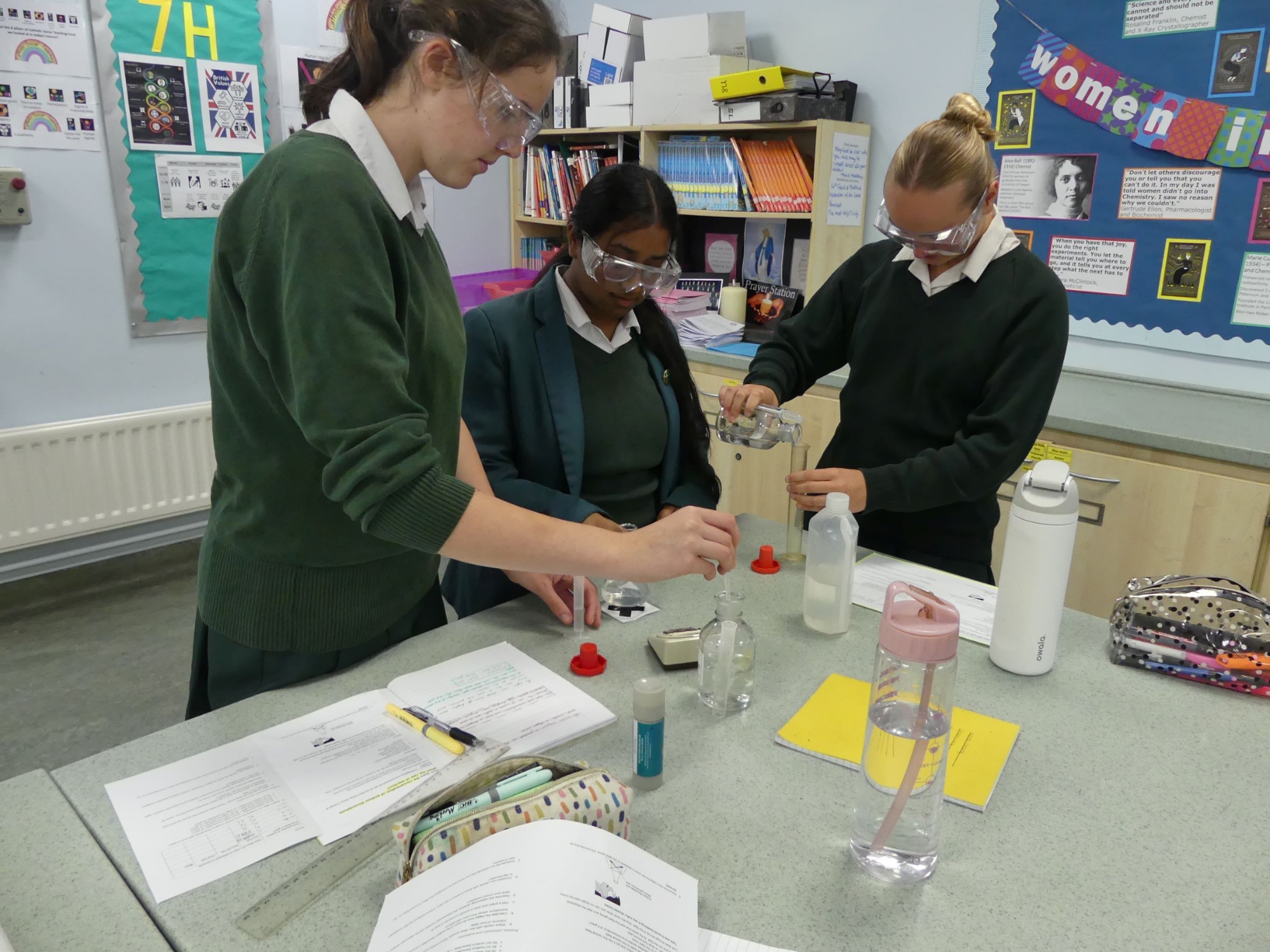
Students will build upon the knowledge acquired in Years 7 and 8 on cells, digestion and photosynthesis and investigative work. Practical skills are further developed throughout the course and the required practical work embedded into the GCSE schemes of work. These practical skills are also assessed in the examinations at the end of the linear course.


Content to be studied

Method of assessment

Autumn 1

Cell biology

Animal and plant cell structure

Prokaryotes and eukaryotes

Cell specialization and differentiation

Principles of organization

Microscopy

Interim assessment

Weekly homework tasks


Autumn 2

Transport in cells

Diffusion

How organisms are adapted for diffusion

Osmosis

Active transport

Cumulative test

Weekly homework tasks


Spring 1

The human digestive system and enzymes

Structure of the human digestive system

Biological molecules

Enzyme activity

Interim assessment

Weekly homework tasks

Spring 2

The Circulatory System

Blood

Heart and blood vessels

Cardiovascular disease

Lungs and gas exchange

Cumulative test

Weekly homework tasks


Summer 1

Non-Communicable Diseases

Health and disease and the effect of lifestyle on disease

Cancer

1 hour summer examination paper, covering all the content from the Year 9 course.

Summer 2

Plant structure and function

Plant tissues

Transpiration and translocation

Photosynthesis

Uses of glucose

Limiting factors

Commercial plant growth

Plant diseases

Interim assessment

Weekly homework tasks


How will I know if my daughter is achieving this?

Throughout Year 9, your daughter’s assessments (interim and end of topic) will be marked by her teacher and a grade awarded. Teacher feedback will also be provided and this will allow your daughter to identify topics she has mastered in addition to identifying those areas requiring further attention. She will be asked to review her assessment and set her own targets for improvement. An additional intervention task may also be provided. All assessment data is recorded in a Progress Guide which is secured to the inside cover of her exercise book. This also allows your daughter to track her own progress using her individual baseline grade. Interim assessments provide an opportunity for practising extended writing skills and this task will also be assessed for spelling, grammar and punctuation. Individual support is offered by each class teacher, in addition to a weekly lunchtime intervention session which is supervised by staff. This is a ‘drop in’ session and students are encouraged to seek help and support on specific topics and practise examination technique. Throughout the year tracking information is sent home to reflect current attainment in Biology and once a year a full written report is sent to parents. The Year 9 Parents’ evening allows teachers to discuss progress with parents and students. 


How can I help my daughter?

At the start of Year 9 there is the opportunity to buy a revision guide which supports the course. A letter will be sent out at the beginning of Year 9. Course resources and materials are also available on your daughter’s Biology Google Classroom which will be set up at the beginning of the academic year.

Teachers record homework tasks on SIMS and parents can help by encouraging their daughter to complete work set to the best of her ability and submit it on time. By looking through your daughter’s book, initiating discussions about the topics being covered and checking that any feedback has been responded to, will help students take more responsibility for their own learning and promote independence. Students are encouraged to access the following websites to support their learning in class:

https://www.aqa.org.uk/subjects/biology/gcse/biology-8461/specification/specification-at-a-glance

https://www.bbc.co.uk/bitesize/subjects/z9ddmp3

https://www.freesciencelessons.co.uk/

https://cognitoresources.org/

These contain past papers and videos so students can familiarise themselves with a wide range of concepts.


Enrichment opportunities

Background reading is an ideal way for students to expand upon their knowledge and the Biology department have a range of scientific magazines available, including the Biological Science Review. Students are actively encouraged to access the Lingdale Science Library to broaden their knowledge and deepen their understanding. Podcasts also offer lots of interesting and relevant information. Try Radio 4’s ‘The Infinite Monkey Cage’ https://www.bbc.co.uk/programmes/b00snr0w.